
Key points
- 1
The centre brings together care for women, mothers, newborns and children in one place.
- 2
It includes Obstetrics & Gynaecology, IVF & Fertility, Neonatology, PICU and Vaccination.
- 3
Regular check-ups in pregnancy help find problems early, when they are easier to manage.
- 4
Bleeding, severe headache, fits, severe pain or the baby moving less in pregnancy needs the hospital at once.
- 5
Keep every pregnancy and vaccination record in one file and bring it to every visit.
01
Overview
What the centre is and who it helps.
What is the Mother & Child Care?
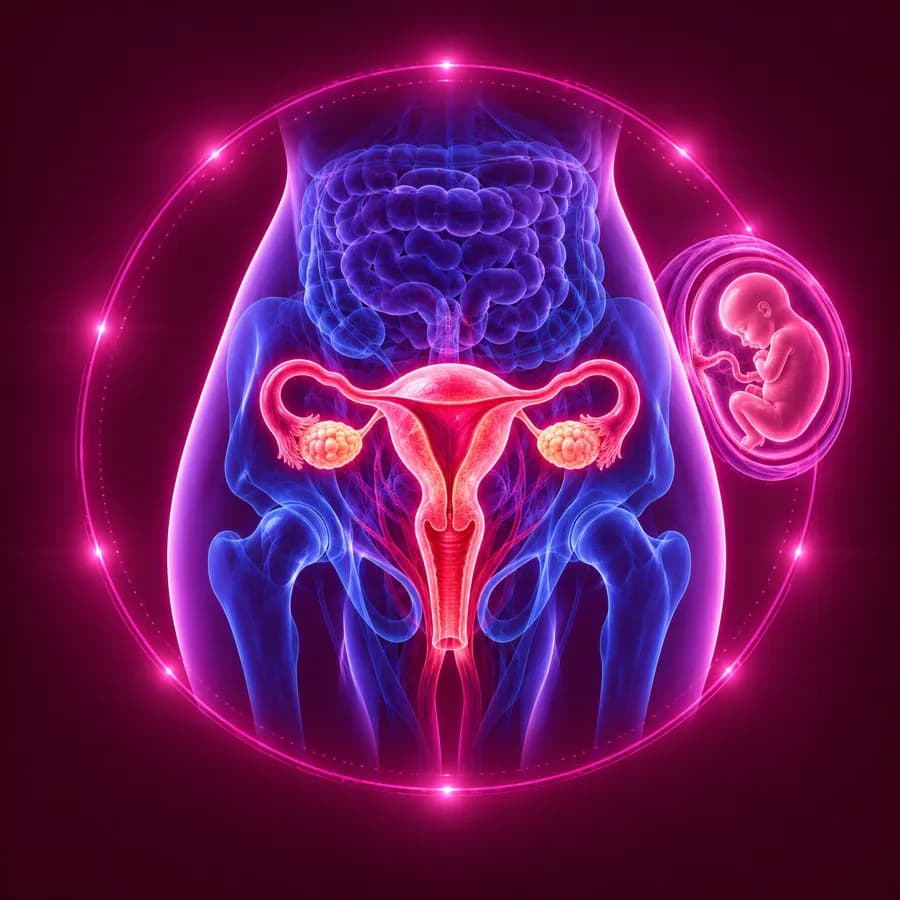
The Mother & Child Care centre brings together care for mother and baby in one place: pregnancy and women's health, fertility treatment, newborn and children's care, and vaccination. A family can be looked after from planning a pregnancy, through pregnancy and birth, to the child's early years.
Each part of the centre is a department of its own. Obstetrics & Gynaecology looks after pregnancy, childbirth and women's health. IVF & Fertility helps couples who are finding it hard to conceive. Neonatology is the care of newborn babies, especially those born early or unwell. The PICU (paediatric intensive care unit) looks after children who are very ill. Vaccination protects children against serious infections.
Having these departments together means the doctors can talk to each other about a mother or child, and the family does not have to start again with each new problem. The desk can help you find the right department and doctor when you book.
Who is it for?
Women planning a pregnancy
A check-up before pregnancy helps prepare the body and manage any health problems early.
Pregnant women
Regular check-ups through pregnancy, care at birth, and care after delivery.
Couples finding it hard to conceive
Tests and treatment for fertility problems in women and men, including IVF where advised.
Women with gynaecological problems
Problems with periods, pain, infections, cysts, menopause and other women's health concerns.
Newborn babies
Babies born early, small or unwell, or who need extra care in the first days of life.
Children
Children who are very ill and need intensive care, and children due for their vaccines.
02
Care we give
The care brought together in the centre.
What care does the centre give?
The centre is made up of five departments. Each looks after a different stage or need.
Obstetrics (pregnancy care)
Check-ups through pregnancy, scans and tests as advised, care at delivery, and care for the mother after birth.
Gynaecology (women's health)
Diagnosis and treatment of problems with periods, pain, infections, the womb and ovaries, and menopause.
IVF & Fertility
Tests for both partners, advice, and treatment for fertility problems, from simple steps to IVF, as the doctor advises.
Neonatology (newborn care)
Care for newborn babies, especially those born early, small, or with problems such as breathing difficulty, infection or jaundice.
PICU (children's intensive care)
Intensive care for children who are very ill, with close monitoring and treatment.
Vaccination
Vaccines for babies and children as per the recommended schedule, with advice for parents.
What is handled elsewhere, or needs emergency care?
- Emergencies in pregnancy, such as heavy bleeding, fits or severe pain. Go to the emergency department at once; do not wait for an appointment.
- A newborn or child who is very unwell, such as not breathing well, having fits or not waking properly. Go to the emergency department.
- Problems outside women's and children's health, which are seen in the hospital's other departments.
- Decisions about medicines in pregnancy without a doctor. Do not start or stop any medicine on your own.
03
Your visits
Your first visit, your care, and follow-up.
How do I prepare?
For the first visit to any department in the centre, bringing the right papers helps the doctor understand you quickly.
- Bring all earlier reports, scans and prescriptions, in date order.
- For pregnancy, note the first day of your last period.
- For fertility visits, bring reports of both partners, if any.
- For a child, bring the vaccination card and any birth or discharge papers.
- Bring a list of the medicines you or your child take.
- Write down your questions before the visit.
What happens during care?
During care, the doctor will explain each step, test and treatment. Ask whenever something is not clear.
- The doctor takes a full history and examines you or your child.
- Tests or scans are advised only when they are needed, with the reason explained.
- The care plan is discussed with you and, where needed, with doctors from other departments.
- For a newborn or child in intensive care, the team keeps parents informed about their child's condition.
- You can ask for anything to be explained again in simple words.
What happens afterwards?
Follow-up visits are an important part of care for both mother and child.
- Keep the pregnancy check-up and vaccination dates as advised.
- After delivery, come for the mother's and the baby's check-ups as advised.
- Take medicines and supplements only as prescribed.
- Keep all reports and cards in one file.
- Call the hospital if a new problem starts, and go to the emergency department for any danger sign.
04
Warning signs
How care is kept safe, and the signs that need a hospital now.
How is care kept safe?
Most pregnancies and childhoods go well, but some signs need the hospital without delay. Knowing them helps families act in time.
- Do not take any medicine in pregnancy, including herbal or home remedies, without asking the doctor.
- Keep all pregnancy check-ups, even when you feel well.
- Learn to notice your baby's movements in later pregnancy, and tell the doctor if they become less.
- Keep your child's vaccinations on time.
- Keep the hospital's phone number handy and plan how you will reach the hospital quickly.
Go to hospital or call an ambulance now if
- Go to the hospital's emergency department or call an ambulance at once for any of these:
- Bleeding from the vagina in pregnancy or heavy bleeding after delivery
- Fits (seizures), or fainting
- Severe headache, blurred vision, or sudden swelling of the face and hands in pregnancy
- Severe pain in the abdomen
- Fever, or difficulty in breathing
- Water leaking from the vagina before labour is due
- The baby moving less than usual, or not moving, in later pregnancy
- A newborn who is not feeding, is very sleepy or floppy, has fits, fast or difficult breathing, a fever or feels cold, or yellow skin on the first day or spreading to the palms and soles
- A child who is very drowsy, has difficulty in breathing, has a fit, or shows signs of dehydration such as very little urine
05
For the family
Practical tips, and how the options compare.
How can the family help?
Pregnancy and early childhood are times when the whole family's support matters.
- Learn the danger signs in pregnancy and in newborns, and keep the hospital's number ready.
- Help the mother rest, eat well and attend every check-up.
- Support breastfeeding and ask the team if there are problems.
- Keep the vaccination card safe and note the next date.
- Watch for low mood or worry in the mother after delivery, and tell the doctor; help is available.
- If your baby or child is in intensive care, ask the team how you can be involved and look after your own rest too.
How do the options compare?
| Routine pregnancy check-ups | For most pregnancies: regular visits, tests and scans as advised, to check that mother and baby are well. |
|---|---|
| High-risk pregnancy care | Closer care when there is a problem such as high blood pressure, diabetes, twins, or a problem in an earlier pregnancy. The doctor decides how often you need to be seen. |
| IVF & Fertility treatment | For couples who are finding it hard to conceive. It starts with tests for both partners; IVF is one of several treatments. |
06
Common questions
Short answers to what families ask most.
Which department should I book?
Choose by need: pregnancy and women's health (Obstetrics & Gynaecology), trying to conceive (IVF & Fertility), newborn care (Neonatology), or vaccines (Vaccination). The desk can help.
When should I have my first pregnancy check-up?
As soon as you know you are pregnant, or think you may be.
Is IVF the only fertility treatment?
No. Fertility care starts with tests for both partners. Many couples are helped by simpler treatments; IVF is advised when the doctor feels it is right.
What is the PICU?
The paediatric intensive care unit, where children who are very ill get close monitoring and treatment.
What is Neonatology?
The care of newborn babies, especially those born early, small or unwell.
My child missed a vaccine. What should I do?
Bring the vaccination card to the Vaccination department; the doctor will advise how to catch up.
Can I take medicines during pregnancy?
Only those prescribed or approved by your doctor. Ask before taking any medicine, supplement or home remedy.
What are the charges?
The charges are confirmed when you book.
What should I do in an emergency?
Go to the emergency department or call an ambulance at once. Do not wait for an appointment.
This is general information, not medical advice. Your doctor will tell you what applies to you.