
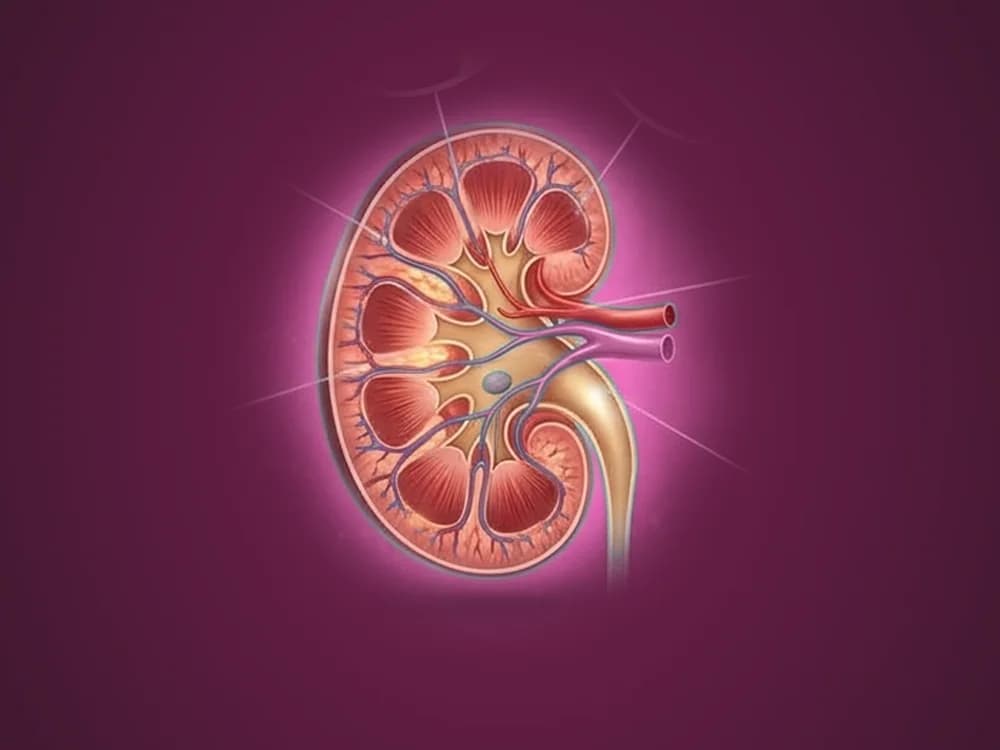



Key points
- 1
The centre offers kidney transplant care with the nephrology and urology team, for adults and children.
- 2
Care covers check-ups and preparation before a transplant, and long-term care after it.
- 3
A transplant is one treatment for kidney failure; dialysis is another. The doctors help you understand both.
- 4
After a transplant, medicines must be taken exactly as prescribed, for life, to protect the new kidney.
- 5
The team explains which parts of transplant care are done at Lopmudra.
01
Overview
What the centre is and who it helps.
What is the Transplant Centre?
The Transplant Centre provides kidney transplant care with the nephrology (kidney) and urology team. It covers check-ups and preparation before a transplant, and long-term care after it, for adults and children. The team explains which parts of transplant care are done at Lopmudra.
A kidney transplant is an operation in which a healthy kidney from a donor is placed in the body of a person whose own kidneys have failed. The donor may be a living person, often a close family member, or a person who has died. A working transplanted kidney can do the job the failed kidneys could not.
A transplant is not right for everyone, and it is a long journey, not a single day. Before it, the patient and the donor need many checks. After it, the patient needs medicines every day, for life, to stop the body from rejecting the new kidney, and regular check-ups with the kidney doctor.
Who is it for?
People with kidney failure
Patients whose kidneys no longer work well enough, and who may be on dialysis or may soon need it.
People exploring a transplant
Patients and families who want to know whether a transplant could be right for them.
Possible kidney donors
Family members who are thinking about donating a kidney and want to understand the checks and risks.
People who have had a transplant
Patients who need long-term follow-up, monitoring of the new kidney and care of their medicines.
Children with kidney disease
Children with serious kidney disease and their parents, for assessment and long-term care.
02
Care we give
The care brought together in the centre.
What care does the centre give?
Transplant care brings together several departments. These are the parts of care the centre is built around.
Nephrology
The kidney doctors diagnose and treat kidney disease, advise on the best treatment for kidney failure, and lead long-term care after a transplant.
Dialysis
Dialysis cleans the blood when the kidneys cannot. Many patients are on dialysis while they are assessed and prepared for a transplant.
Urology
Urologists look after the kidneys, bladder and urine passages, and help with problems that affect transplant care.
Assessment before a transplant
Tests and check-ups to see whether a transplant is safe for the patient, and whether a donor is a suitable match.
Preparation
Treating other health problems, updating vaccines, and explaining the operation, the risks and life afterwards.
Long-term care after a transplant
Regular check-ups and blood tests, adjusting medicines, and watching for rejection, infection and other problems.
What is handled elsewhere, or needs emergency care?
- Emergencies, such as breathlessness, chest pain, very little urine or a fit. Go to the emergency department at once.
- Which transplant operations are done at Lopmudra: please ask the team, who will explain what is done here and what may be done elsewhere.
- Changes to anti-rejection or other medicines without the kidney doctor. Never stop or change them on your own.
- Problems outside kidney and transplant care, which are seen in the hospital's other departments.
03
Your visits
Your first visit, your care, and follow-up.
How do I prepare?
The first visit is mainly about understanding the patient's kidney disease and overall health. Bring everything you have.
- Bring all kidney reports, blood tests, scans and earlier doctors' notes, in date order.
- Bring details of dialysis, if the patient is on it.
- Bring a list of all the medicines the patient takes.
- If a family member is thinking of donating, they may come along to ask questions.
- Bring the transplant papers and discharge summary, if the patient has already had a transplant.
- Write down your questions before the visit.
What happens during care?
Transplant care involves many visits and tests. The team explains each step and what it is for.
- The kidney doctor reviews the reports, examines the patient and discusses treatment options.
- Tests are advised for the patient and, where relevant, for a possible donor.
- The team explains the benefits, risks and long-term commitment of a transplant.
- Other health problems, such as heart disease or diabetes, are checked and treated.
- The team explains which steps happen at Lopmudra and what may be done elsewhere.
What happens afterwards?
After a transplant, regular follow-up keeps the new kidney working for as long as possible.
- Take anti-rejection medicines exactly as prescribed, every day, at the same times.
- Come for blood tests and check-ups as often as the kidney doctor advises.
- Keep a record of weight, blood pressure and urine output if asked to.
- Check with the kidney doctor before taking any new medicine, including over-the-counter or herbal remedies.
- Report any warning sign early; problems caught early are easier to treat.
04
Warning signs
How care is kept safe, and the signs that need a hospital now.
How is care kept safe?
Anti-rejection medicines lower the body's defences, so infections can become serious faster. People with kidney failure can also become unwell quickly. Knowing the warning signs matters.
- Never miss, stop or change anti-rejection medicines without the kidney doctor's advice.
- Wash hands often and avoid close contact with people who have infections.
- Ask the kidney doctor before any vaccine, medicine or supplement.
- Follow the fluid and diet advice given for your kidney condition.
- Keep the kidney team's phone number and the emergency number handy.
Go to hospital or call an ambulance now if
- Go to the hospital's emergency department or call an ambulance at once for any of these:
- Fever, chills or feeling very unwell after a transplant
- Pain, tenderness or swelling over the transplanted kidney
- Passing much less urine than usual, or none
- Sudden weight gain, swelling of the legs or face, or breathlessness
- Vomiting or diarrhoea that stops you keeping your medicines down
- Chest pain, a very fast or irregular heartbeat, or severe weakness
- Confusion, extreme drowsiness or a fit (seizure)
- For a patient on dialysis: bleeding, swelling, redness or pain at the dialysis access site
05
For the family
Practical tips, and how the options compare.
How can the family help?
Kidney failure and transplant care affect the whole family. Support at home makes a real difference.
- Come to visits when you can, so you understand the plan and the warning signs.
- Help the patient take medicines on time; a pill box or alarm can help.
- If you are thinking of donating a kidney, ask the team your questions; the decision is yours to make freely.
- Help with the diet and fluid advice at home.
- Look after your own health and ask for support when you need it.
How do the options compare?
| Dialysis | A machine or fluid cleans the blood, usually several times a week, for as long as it is needed. It does not need a donor or an operation for a new kidney. |
|---|---|
| Kidney transplant | A donor kidney does the work of the failed kidneys. It needs an operation and medicines for life, but frees many patients from regular dialysis. |
| Medical care without dialysis or transplant | For some patients, the doctor may advise care that focuses on managing symptoms and comfort. The team discusses this openly with the family. |
06
Common questions
Short answers to what families ask most.
Is a transplant better than dialysis?
For some patients a transplant gives a better quality of life, but it is not right for everyone. The kidney doctor explains what suits the patient.
Are kidney transplants done at Lopmudra?
Please ask the team. They will explain which parts of transplant care are done at Lopmudra and what may be done elsewhere.
Who can donate a kidney?
Often a close family member, after detailed checks to make sure it is safe for them. The team explains the rules and the checks.
Can a person live with one kidney?
Most healthy donors live normal lives with one kidney, but every donor is checked carefully first. Ask the team about the risks.
How long will I take medicines after a transplant?
Anti-rejection medicines are usually needed for as long as the new kidney works. Never stop them on your own.
Can children have kidney transplant care?
Yes. The centre's care is for adults and children.
What happens if the body rejects the kidney?
Rejection can often be treated if found early, which is why regular tests matter. Report warning signs at once.
What should I bring to the first visit?
All kidney reports, dialysis details, the list of medicines, and any transplant papers.
What are the charges?
The charges are confirmed when you book.
This is general information, not medical advice. Your doctor will tell you what applies to you.